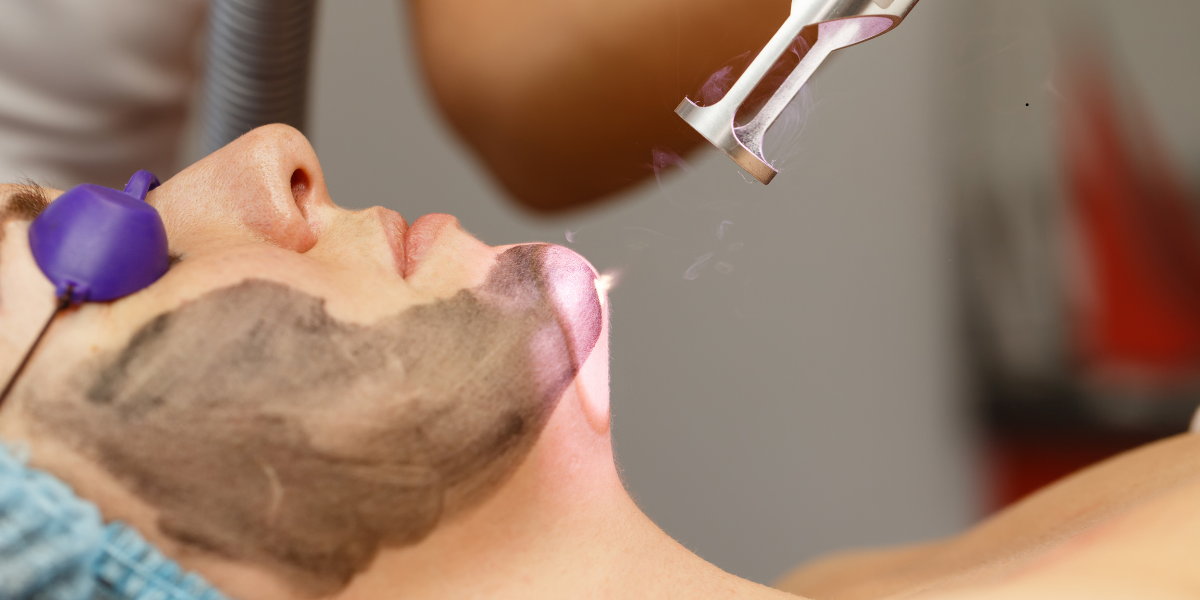
CO2 laser resurfacing remains one of the most transformative treatments available for skin texture, tone, and visible aging. It is also one of the treatments patients feel most uncertain about when it comes to recovery. That uncertainty is completely understandable, and it is the reason we created this guide.
If you are preparing for a full ablative session with the Helix CO2 Laser or a lighter CoolPeel treatment, knowing exactly what your skin will look like, how it will feel, and what to do at each stage makes the experience far more comfortable and far less stressful.
This is your complete, clinically informed recovery timeline from the moment you leave The Formula Medspa through the weeks and months that follow.
Why CO2 laser recovery follows a predictable biological pattern
CO2 laser resurfacing works by delivering precise columns of carbon dioxide energy into the skin. This controlled thermal injury removes damaged outer tissue and triggers a deep regenerative response beneath the surface. Collagen fibers contract, fibroblasts activate, and new tissue begins forming almost immediately.
The intensity of that process depends on the type of treatment you receive. A CoolPeel targets only the superficial epidermis with short, controlled pulses and produces minimal thermal spread. A deeper fractional ablative treatment with the Helix CO2 system penetrates further into the dermis, creating a more significant healing response and more dramatic long-term results.
Regardless of treatment depth, your skin moves through the same biological phases: inflammation, proliferation, and remodeling. The timeline below reflects both lighter and more intensive treatments, with notes on where the experiences diverge.
| BEFORE YOU BEGIN
Your recovery experience is shaped significantly by pre-treatment preparation. Patients who follow their prescribed skincare protocol in the weeks before treatment, including consistent sunscreen use and avoiding retinoids as directed, tend to heal faster and more evenly. If you have questions about preparation, your provider at The Formula will walk you through every detail during your consultation. |
Your complete day-by-day CO2 laser recovery timeline
THE FIRST 24 HOURS
| 01 DAY OF TREATMENT
Immediately after your session, the treated skin will appear red, feel warm, and may have a tight, sunburn-like quality. Some patients describe a mild stinging sensation during the first few hours, particularly with deeper treatments. CoolPeel patients typically feel only light warmth and mild pinkness that resembles a flush rather than a burn. Your provider will apply a healing ointment and give you detailed aftercare instructions before you leave. This is the most important time to begin your post-treatment regimen, which centers on keeping the skin consistently moisturized, protected from the air, and completely free of any active products. Swelling can begin within hours, particularly around the eyes if the periorbital area was treated. This is a normal part of the inflammatory response. Sleeping with your head elevated on two pillows helps reduce fluid accumulation overnight. |
DAYS TWO AND THREE
| 02 PEAK SWELLING AND INITIAL WEEPING
Swelling typically peaks during day two. The skin may feel puffy, tight, and look significantly more red than the day before. For patients who received deeper treatment, a clear or slightly yellowish fluid may appear on the skin’s surface. This is lymphatic drainage carrying growth factors and immune cells to the treated area, and it is a sign that healing is progressing exactly as it should. Gently cleanse the face with lukewarm water and a mild, fragrance-free cleanser as directed. Pat dry with a clean, soft cloth. Reapply your recommended ointment or healing balm immediately. Do not allow the skin to dry out at any point. Moisture is the single most important factor in comfortable, scar-free healing during this stage. |
| 03 SWELLING BEGINS TO SUBSIDE
Swelling starts to decrease, though it may still be noticeable. The skin often feels tighter and may begin forming a thin, dark crust or bronzed appearance. This micro-crusting is the body’s natural wound healing mechanism and should never be picked, rubbed, or manually exfoliated. Disrupting these layers can cause scarring, pigmentation changes, or delayed healing. CoolPeel patients will notice significantly less intensity at this point. Most experience only mild dryness and subtle flaking rather than the crusting associated with deeper treatments. |
DAYS FOUR THROUGH SIX
| 04-06 ACTIVE PEELING AND EARLY NEW SKIN
This is the phase where patience matters most. The outer treated layer begins to separate and peel away, revealing fresh, pink skin beneath. The peeling can look dramatic, especially across the cheeks, forehead, and around the mouth, but what lies underneath is new, healthy tissue that is actively remodeling. Allow peeling to happen naturally. You may gently cleanse and reapply ointment, but do not pull at loose skin. The new tissue underneath is extremely delicate, and premature exposure can lead to prolonged redness or discoloration. Many patients feel frustrated during this window because the skin looks worse before it looks better. That is completely expected. The visible peeling is the old, damaged tissue leaving, and it is a sign that the treatment is working at a deep structural level. |
| A NOTE ON COOLPEEL RECOVERY
CoolPeel patients often complete the visible peeling phase by day three or four, with most returning to normal activities and light makeup within 48 to 72 hours. If you chose CoolPeel specifically because of its reduced recovery profile, you can read more about how it compares to traditional resurfacing in our CO2 Laser and CoolPeel overview. |
DAYS SEVEN THROUGH TEN
| 07-10 PEELING RESOLVES, PINKNESS REMAINS
By the end of the first week, most of the visible peeling has completed. The new skin will be pink and smooth, noticeably different in texture from before treatment. Pores appear smaller, fine lines are softened, and the skin has a tighter, firmer quality even at this early stage. The pink or rosy tone is caused by increased blood flow to the healing tissue. This is healthy and expected. It will gradually fade over the following weeks and can be easily concealed with mineral makeup once your provider gives the approval to begin wearing cosmetics again, typically around day seven to ten. You may begin reintroducing a gentle hydrating moisturizer and a broad-spectrum mineral sunscreen at this stage, if cleared by your provider. Avoid any product containing active ingredients such as retinol, glycolic acid, vitamin C serums, or exfoliating enzymes until you are specifically advised to resume them. |
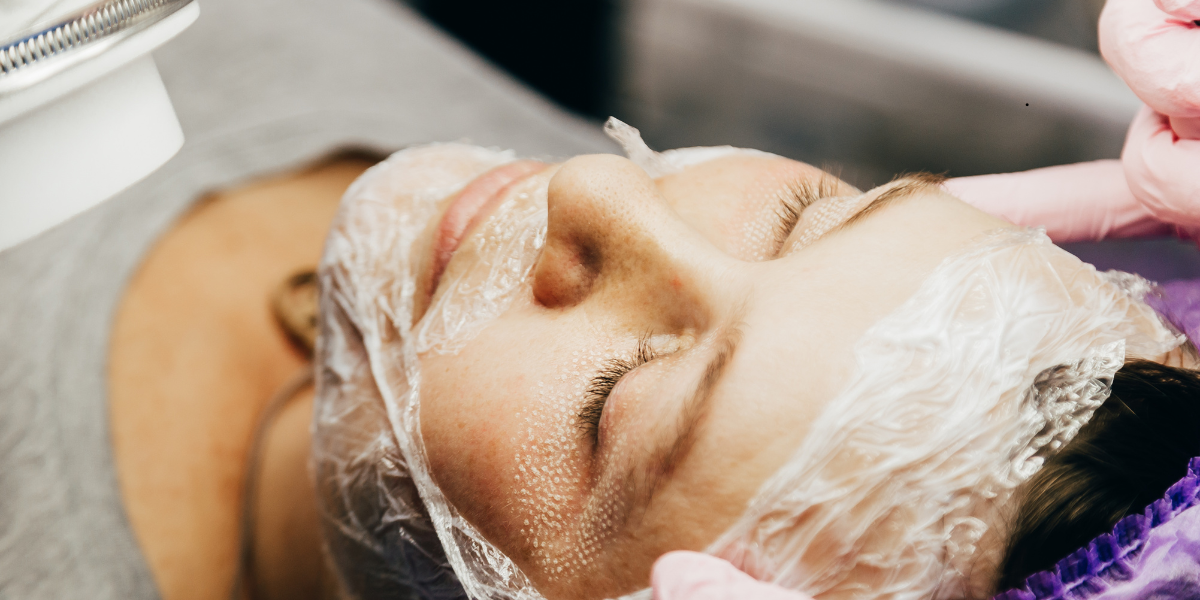
What the second and third weeks of healing look like beneath the surface
Once the visible peeling and initial redness resolve, many patients assume recovery is complete. In reality, the most important biological work is just beginning. The inflammatory phase has concluded, and your skin has entered the proliferative stage of wound healing. Fibroblasts are laying down new collagen at an accelerated rate. The dermal matrix is reorganizing itself into tighter, more uniform bundles. Elastin fibers are slowly reintegrating into the tissue architecture, restoring the bounce and resilience that diminish naturally with age and accumulated sun exposure.
This stage is invisible to the eye, but it is the foundation of everything that makes CO2 laser resurfacing so effective. The surface may look healed, but the deep dermal renovation is only beginning to gather momentum.
During weeks two through four, you may notice:
- Lingering pinkness that gradually fades to a warm, healthy tone
- Skin that feels smoother and more resilient each day, with improving texture visible even without makeup
This is also the stage where sun protection becomes absolutely critical. The newly formed skin has minimal melanin shielding and is highly susceptible to UV-induced hyperpigmentation. A broad-spectrum SPF 30 or higher mineral sunscreen should be applied every morning and reapplied throughout the day, regardless of weather or season. This single habit has an outsized impact on the quality and longevity of your results. Patients who are meticulous about sun protection during this window consistently achieve more even, longer-lasting outcomes than those who are less careful, regardless of how smoothly the initial healing phase went.
How recovery compares across CO2 laser treatment types
The Helix CO2 system at The Formula offers distinct treatment modalities, each with a different recovery profile. The table below provides a general comparison to help you plan around your schedule and expectations.
| RECOVERY MILESTONE | COOLPEEL | SULTRA | FULL ABLATIVE |
| Initial redness | 1 to 2 days | 2 to 3 days | 5 to 10 days |
| Visible peeling | Minimal flaking | Light flaking | Moderate, days 3 to 7 |
| Swelling | Rare | Mild, 1 to 2 days | Moderate, peaks day 2 |
| Return to activities | Same or next day | 2 to 3 days | 7 to 10 days |
| Makeup safe | 24 hours | 3 to 5 days | 7 to 10 days |
| Collagen peak | 4 to 8 weeks | 6 to 12 weeks | 3 to 6 months |
| Optimal results | 2 to 4 weeks | 6 to 12 weeks | 3 to 6 months |
Your provider will recommend the treatment depth best suited to your skin concerns, your healing capacity, and your lifestyle during your consultation at The Formula.
When the real transformation becomes visible, and what your skin is doing in the months after treatment
CO2 laser resurfacing is unusual among aesthetic treatments because the most impressive results appear weeks or even months after the procedure itself. While the initial healing phase reveals smoother, clearer skin almost immediately, the structural changes beneath the surface take considerably longer to fully mature.
Between weeks four and eight, the skin enters what is sometimes called the early remodeling window. Redness continues to diminish, though a faint warmth in the skin tone may persist. Texture improvements become more noticeable each week, and patients often find that their skin responds to moisturizers and serums with a quality of absorption they did not experience before treatment. The barrier is rebuilding, and the tissue is accepting hydration at a deeper level because the damaged, sun-thickened outer layers have been replaced with healthier, more organized cells.
Between months two and three, patients consistently report progressive improvements in skin firmness, pore refinement, and overall luminosity. Fine lines continue to soften. Areas of uneven pigmentation that were present before treatment become less visible as new, evenly toned skin replaces the older tissue. Many patients tell us that this is the stage where friends and colleagues begin to notice a difference, often commenting that they look rested, healthy, or refreshed without being able to identify what specifically has changed.
By months three through six, collagen remodeling reaches its peak. The dermal layer is measurably thicker and more organized. Skin that once felt crepey or fragile now has a firmness that holds its shape under different lighting and angles. The clarity and smoothness that develop during this period are the direct result of deep collagen stimulation that was initiated during the treatment itself and has been progressing quietly beneath the surface ever since.
This progressive timeline is one of the reasons fractional CO2 resurfacing remains such a valued treatment in medical aesthetics. The results continue to develop long after the visible recovery is complete. With proper maintenance, consistent sunscreen use, and a medical-grade skincare routine, results can last for years and significantly slow the rate at which new sun damage and aging affect the skin’s appearance.
Patients who combine their CO2 results with treatments like Ultherapy for deeper structural tightening or maintenance chemical peels for surface renewal often report that their skin looks better in their forties and fifties than it did a decade earlier.
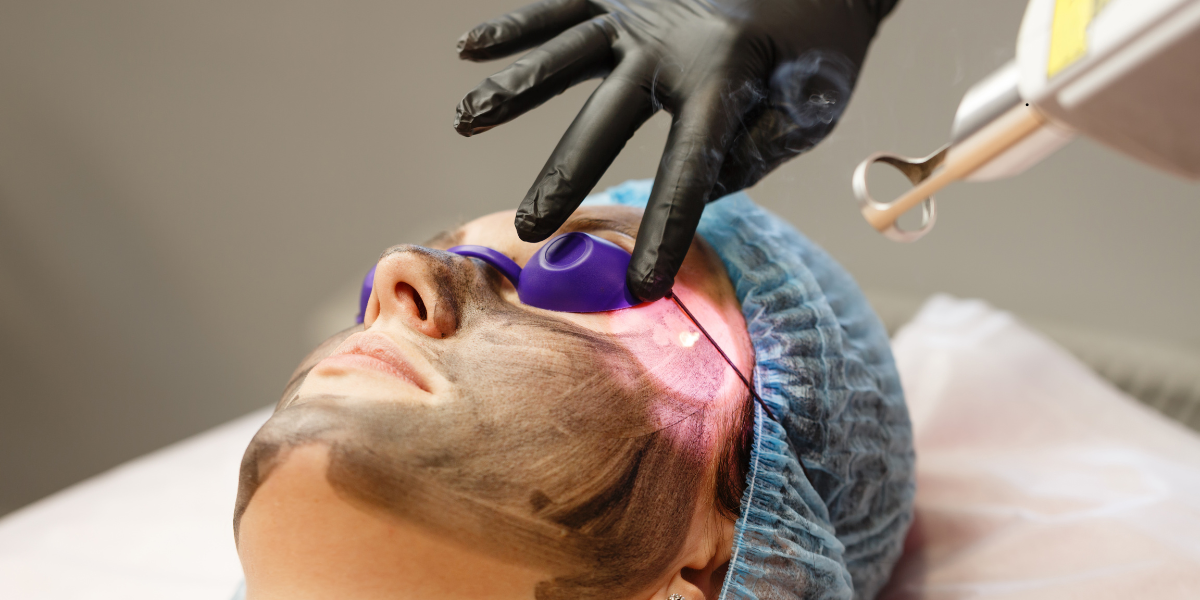
The aftercare practices that separate good results from exceptional ones
Technical skill during the treatment itself matters enormously. But aftercare is where patients have real influence over the quality of their outcome. The following principles apply to all CO2 laser patients, from CoolPeel through full ablative resurfacing.
MOISTURE IS NON-NEGOTIABLE
The single most common mistake patients make is allowing the skin to dry out during the first five days. Every moment of dryness during active healing increases the risk of scabbing, delayed recovery, and uneven texture. Follow your provider’s ointment and moisturizer protocol exactly. If the skin feels tight, apply more. If it looks shiny from the product, that is actually what healthy healing looks like.
SUN PROTECTION DEFINES YOUR LONG-TERM RESULTS
Ultraviolet exposure after CO2 treatment can cause post-inflammatory hyperpigmentation that is far more difficult to treat than the original concern. Mineral sunscreen with zinc oxide or titanium dioxide is preferred because it sits on the skin’s surface rather than being absorbed into the healing tissue. Reapplication every two hours during sun exposure is essential for the first three months at minimum.
PATIENCE WITH SKINCARE REINTRODUCTION
The temptation to resume retinoids, acids, and active serums too early is strong, especially once the visible peeling resolves. Resist that temptation. Your provider will give you a specific timeline for reintroducing each product category, and following that timeline protects both your comfort and your results. The new skin needs time to rebuild its barrier function before being challenged by active ingredients.
| COMPLEMENTARY TREATMENTS DURING RECOVERY
Some patients benefit from combining their CO2 laser results with other treatments once healing is complete. RF Microneedling can further stimulate collagen in areas that need additional texture refinement. Medical-grade facials support hydration and barrier repair during the post-recovery phase. Your provider will advise on timing and sequencing based on how your skin responds. |
What to avoid during every stage of CO2 laser recovery
Recovery is as much about what you do not do as what you do. The following should be avoided during the active healing window, and in some cases for several weeks beyond.
Do not pick, scratch, or manually exfoliate peeling skin. This is perhaps the most important instruction in the entire recovery process. The crusting and peeling that occur during days three through seven serve a protective function, shielding the new tissue forming beneath. Disrupting that protective layer prematurely can cause permanent scarring, prolonged redness, or uneven pigmentation that takes months to resolve.
Do not apply makeup until your provider clears you, even if the skin appears healed on the surface. Cosmetic products can introduce bacteria or irritants into tissue that has not yet rebuilt its barrier function. Avoid direct sun exposure as much as possible during the first month, and rely on physical barriers like wide-brimmed hats in addition to sunscreen. Skip hot showers, saunas, steam rooms, and intense exercise for the first week, as heat and sweat can irritate the healing tissue and increase swelling. Do not use any skincare product containing retinol, AHAs, BHAs, or benzoyl peroxide until you have explicit clearance from your treatment provider.
Alcohol consumption during the first week is also worth mentioning. While not strictly prohibited, alcohol dilates blood vessels and can worsen swelling, redness, and dehydration during a period when your body needs all of its resources directed toward tissue repair. Most patients find that a quiet first week focused on hydration, rest, and gentle skincare produces noticeably better outcomes.
Frequently asked questions about CO2 laser recovery
How long should I take off work after CO2 laser resurfacing?
For CoolPeel, most patients return to work the next day. For deeper fractional ablative treatments, plan for seven to ten days away from in-person obligations. If you work remotely, you may feel comfortable resuming sooner, though visible redness and peeling will be present during the first week.
When can I wear makeup after CO2 laser treatment?
CoolPeel patients can typically apply mineral makeup within 24 hours. After full ablative resurfacing, most providers recommend waiting seven to ten days, or until the peeling phase is complete and the new skin has established a basic barrier. Always use clean brushes and non-comedogenic, fragrance-free products when you resume.
Is CO2 laser recovery painful?
Most patients describe discomfort rather than pain. The first 24 to 48 hours involve a sunburn-like sensation that is manageable with cool compresses and over-the-counter medication as recommended by your provider. CoolPeel recovery involves minimal discomfort for most patients.
How many CO2 laser sessions do I need?
Many patients achieve excellent results with a single full ablative treatment. CoolPeel may require two to three sessions spaced several weeks apart for optimal improvement. Your provider at The Formula will design a plan based on your skin’s condition and your specific goals.
Can I combine CO2 laser with other treatments?
Yes, once healing is complete. CO2 resurfacing pairs well with neurotoxin treatments, dermal fillers, and Ultherapy for comprehensive facial rejuvenation. Treatment timing and sequencing should always be guided by your provider.
Your skin deserves a recovery plan as precise as the treatment itself
At The Formula Medspa in Rye, NY, every CO2 laser treatment includes a personalized aftercare protocol, follow-up check-ins, and the guidance of a team that genuinely cares about your comfort and your results.