How to Know if You Are a Good Candidate for GLP-1 Injections
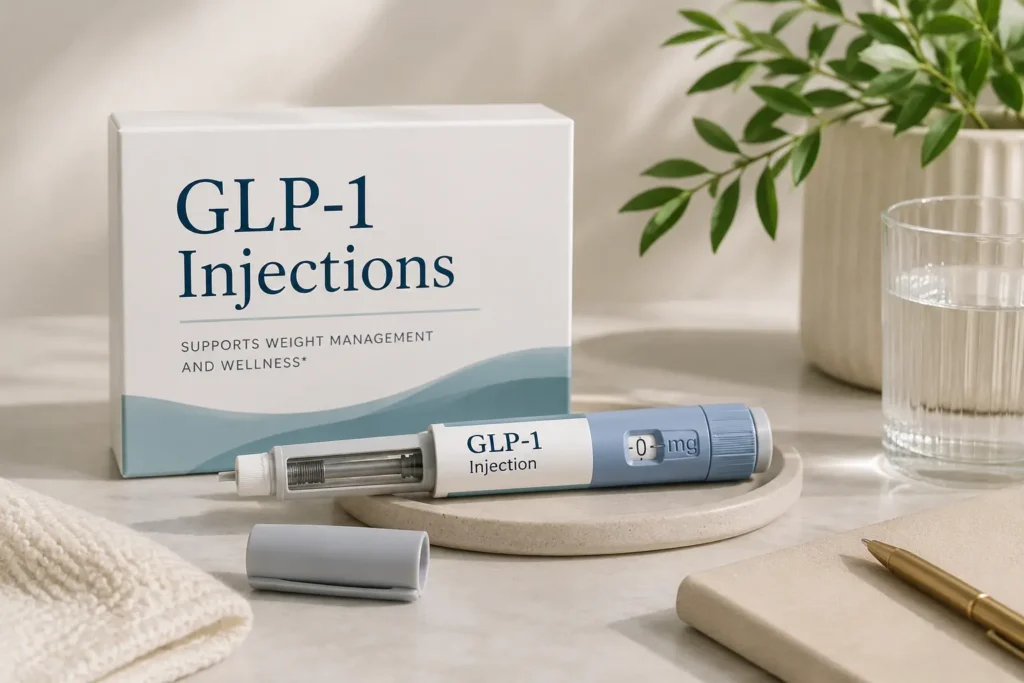
GLP-1 injections have moved from niche diabetes medication to one of the most discussed weight management tools in modern medicine. Patients arrive at consultations ready to start treatment the same day, often after seeing before-and-after photos on social media or hearing about semaglutide and tirzepatide on health podcasts. The interest is understandable. This drug class has demonstrated weight reduction results that older interventions rarely matched. Yet enthusiasm alone does not qualify someone for treatment. GLP-1 candidacy depends on a careful review of medical history, body composition, lifestyle patterns, and long-term health goals. A responsible practitioner spends time on this assessment because the medication works best and stays safest when prescribed to the right patient. If you have been considering whether GLP-1 therapy might fit your situation, the criteria below offer a useful starting point. The final answer always comes from a clinical evaluation, but understanding what providers look for helps you walk in prepared. A Brief Overview of How GLP-1 Medications Work Glucagon-like peptide-1, or GLP-1, is a hormone the gut releases after eating. It triggers insulin secretion from the pancreas while slowing gastric emptying, and it communicates fullness signals to the brain through receptors in the hypothalamus. Synthetic GLP-1 receptor agonists such as semaglutide (sold as Wegovy and Ozempic) and tirzepatide (sold as Mounjaro and Zepbound) mimic this hormone at higher and longer-lasting concentrations than the body produces on its own. The downstream effect on appetite is significant. Patients report feeling satisfied with smaller portions and losing interest in highly palatable snack foods. Many describe what some clinicians call “food noise reduction,” meaning a quieting of the constant background thoughts about what or when to eat next. Clinical trials have shown that adults receiving once-weekly semaglutide injections alongside lifestyle counseling lost an average of 14.9% of their baseline body weight over 68 weeks, compared with 2.4% in the placebo group. The mechanism is powerful. It is also pharmacological, meaning the medication does the work whether or not a patient understands why or commits to supportive behaviors. That distinction matters when evaluating candidacy, because GLP-1 therapy delivers its strongest results when paired with thoughtful habits around protein intake, strength training, sleep, and recovery. The Standard Medical Criteria Most clinical guidelines, including those from the American Association of Clinical Endocrinology, define candidacy through a combination of body mass index and weight-related health conditions. A typical framework looks like the table below. Patient Profile Body Mass Index Additional Requirement Obesity class I or higher 30 or above No additional condition required for many programs Overweight category 27 to 29.9 One weight-related condition such as hypertension, sleep apnea, type 2 diabetes, or dyslipidemia Type 2 diabetes management Varies by case Diagnosis confirmed by A1c or fasting glucose values Bariatric surgery alternative 35 or above Patient prefers a medical option over surgical intervention These numbers offer a starting reference. They do not replace clinical judgment. A patient with a BMI of 28 who carries significant visceral fat, has a family history of cardiovascular disease, and struggles with metabolic syndrome may be an excellent candidate even though the number alone suggests otherwise. A BMI of 32 in a highly muscular athlete, by contrast, may warrant a different conversation entirely. Body composition matters more than the scale.BMI captures weight relative to height, but it does not distinguish muscle from fat or account for where fat is distributed on the body. At The Formula, our medical weight loss program in Rye, NY uses additional metrics like waist circumference and body composition analysis, along with detailed metabolic markers, to build a complete picture before recommending treatment. Lifestyle Signals That Point Toward Good Candidacy Some patients arrive having tried structured diets, accountability groups, fitness regimens, and pharmaceutical adjuncts without lasting results. Plateau and rebound patterns are common signals that hormonal and metabolic factors are at play, and GLP-1 therapy was designed for exactly this situation. Strong candidates typically share several characteristics. They have made repeated good-faith efforts at weight management. They understand that injection therapy supports their effort but does not eliminate the need for nutrition and movement. They hold realistic timelines, accepting that meaningful results unfold across months rather than weeks. They also have the bandwidth to attend follow-up appointments and adjust dosing as the body responds over time. Patients who view the medication as a quick aesthetic fix before a single event tend to experience disappointment. Sustainable weight loss through this drug class follows a slow titration schedule, with dose escalations every four weeks to manage side effects and find the maintenance level that works for each individual. Health Conditions That Strengthen the Case for Treatment Beyond BMI, certain medical conditions sharpen the rationale for GLP-1 therapy. Type 2 diabetes was the original indication for this drug class, and many patients still receive these medications primarily for glycemic control. Insulin resistance and prediabetes also respond well, with GLP-1 agents reducing A1c values for many patients within months of starting treatment. Cardiovascular risk factors form another important category. Semaglutide has received FDA approval to reduce the risk of major adverse cardiovascular events in adults with established heart disease and obesity. Patients with elevated blood pressure, dyslipidemia, non-alcoholic fatty liver disease, or established atherosclerotic disease often see secondary improvements as weight comes down and metabolic function recovers. Obstructive sleep apnea, polycystic ovary syndrome, weight-related joint pain, and fertility complications connected to high BMI frequently improve as well. For patients exploring perimenopausal weight gain or hormone-driven metabolic shifts, the conversation may extend into hormonal optimization. The Formula Medspa offers bioidentical hormone replacement therapy for patients whose weight challenges intersect with hormonal changes, and the two approaches sometimes work together under careful clinical supervision. When GLP-1 Therapy May Not Be Appropriate A thorough consultation also screens for situations where these medications carry elevated risk or limited benefit. Patients with a personal or family history of medullary thyroid carcinoma or multiple endocrine neoplasia type 2 should avoid GLP-1 receptor agonists, based on findings from rodent studies that prompted a boxed warning
Laser Hair Removal for Dark Skin: What to Know Before You Book
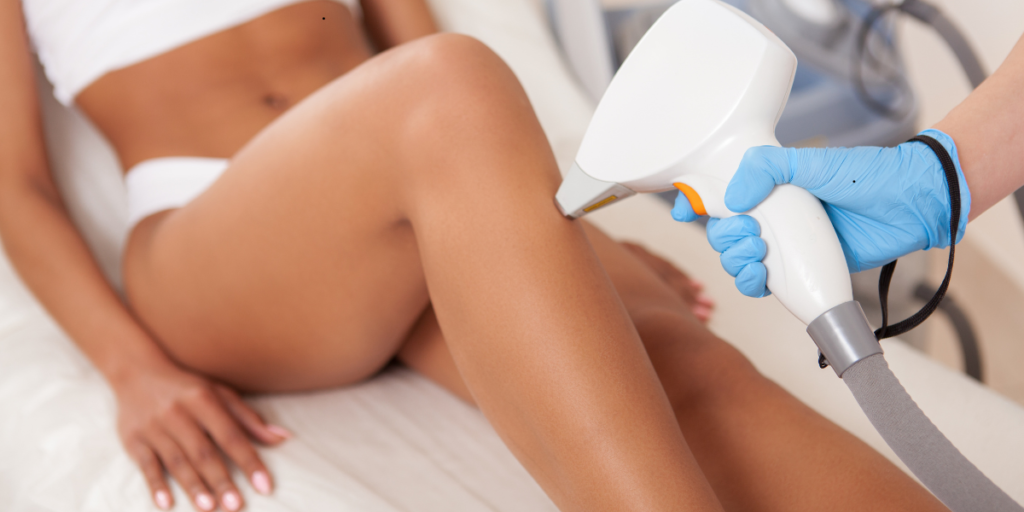
Advances in laser wavelength technology, pulse calibration, and cooling systems have fundamentally changed what is possible. Today, laser hair removal for dark skin is not only safe but highly effective when performed with the right equipment and the right expertise.Not every laser is appropriate for every skin tone, and not every provider understands the clinical nuance required to treat darker complexions safely. This guide explains the science behind the treatment, the technology that makes it work, and what to evaluate when choosing a provider you can trust with your skin. Why Darker Skin Was Historically Excluded Laser hair removal works through a principle called selective photothermolysis. The laser emits a specific wavelength of light that is absorbed by melanin, the pigment responsible for the color of both hair and skin. When the laser energy is absorbed by the melanin in the hair follicle, it converts to heat and damages the follicle’s ability to produce new growth. The challenge with darker skin is straightforward. When the skin itself contains a high concentration of melanin, older laser systems could not reliably distinguish between the melanin in the hair follicle and the melanin in the surrounding tissue. The laser would heat both, and the result was often thermal injury to the epidermis, post-inflammatory hyperpigmentation, or in more severe cases, burns and scarring. The Technology That Changed Everything The development of the Nd:YAG laser operating at a 1064 nm wavelength marked a turning point in medical aesthetics. Unlike shorter-wavelength systems such as the Alexandrite (755 nm) or standard diode (810 nm), the Nd:YAG wavelength penetrates deeper into the dermis and is absorbed less aggressively by melanin at the skin’s surface. This means the laser can bypass the melanin-rich epidermis and deliver its energy more precisely to the hair follicle itself, where melanin is concentrated within the bulb and shaft. The surrounding skin absorbs significantly less energy, reducing the risk of thermal damage to a level comparable to what lighter-skinned patients experience with standard systems. Modern platforms like the Clarity system used at The Formula Medspa combine the Nd:YAG wavelength with integrated cooling technology and adjustable pulse durations, giving providers precise control over how energy is delivered and how the tissue responds. Longer pulse durations allow heat to build gradually in the follicle rather than spiking sharply, which further reduces the risk of epidermal injury. The result is a treatment that is both safe and effective for patients across the full Fitzpatrick spectrum, including types IV, V, and VI. UNDERSTANDING THE FITZPATRICK SCALE Dermatologists classify skin tones using the Fitzpatrick scale, which ranges from Type I (very fair, always burns) to Type VI (deeply pigmented, never burns). Patients described as having dark or melanin-rich skin typically fall between Types IV and VI. This classification helps providers select the appropriate laser wavelength, fluence, and pulse duration for each patient’s complexion. During your consultation at The Formula, your provider will assess your skin type and customize every parameter accordingly. How Laser Technology Compares Across Skin Tones LASER TYPE WAVELENGTH FITZPATRICK RANGE NOTES FOR DARK SKIN Alexandrite 755 nm Types I to III Not recommended for darker skin. High melanin absorption increases burn risk significantly. Diode 808 to 810 nm Types I to IV, possibly V with caution Newer diode systems with long pulse and advanced cooling can treat some darker tones, but require experienced calibration. Nd:YAG 1064 nm Types I to VI Safest and most effective option for dark skin. Deeper penetration bypasses surface melanin. Gold standard for Fitzpatrick IV to VI. IPL 500 to 1200 nm (broad) Types I to III Not a true laser. Broad spectrum makes it unsafe for darker skin tones due to unpredictable melanin absorption. What Results to Expect on Darker Skin Tones When performed with the correct laser and by an experienced provider, patients with Fitzpatrick skin types IV through VI can expect meaningful, lasting hair reduction. Clinical research on Nd:YAG systems has consistently demonstrated effective follicle damage in darker-skinned patients with a low incidence of adverse effects, as documented in the Journal of Drugs in Dermatology. Most patients require six to ten treatment sessions, spaced four to six weeks apart, depending on the treatment area and hair density. Darker skin types sometimes benefit from additional sessions because providers use slightly conservative energy settings to prioritize safety, which means each session produces slightly less follicle destruction compared to aggressive settings used on lighter skin. Patients who complete their full treatment course typically achieve 70 to 90 percent reduction in hair density, with remaining hairs growing in finer, lighter, and significantly slower. Two factors strongly influence the quality of your outcome: The provider’s experience treating melanin-rich skin, including their understanding of safe fluence ranges, pulse durations, and cooling protocols specific to darker complexions Your consistency with the treatment schedule, as hair grows in cycles and each session targets a different portion of active follicles Common Treatment Areas Laser hair removal for dark skin is effective across all of the same body areas treated on lighter complexions. The most frequently requested areas include the underarms, bikini line, legs, face (particularly the upper lip and chin), chest, and back. Patients with coarser, thicker hair often respond especially well to Nd:YAG treatment, because the higher melanin concentration in the follicle creates a strong target for the laser’s energy. This is particularly relevant for patients who experience pseudofolliculitis barbae, commonly known as razor bumps, which disproportionately affects individuals with curly, coarse hair. Laser hair removal can significantly reduce the occurrence of ingrown hairs and the inflammation that accompanies them, providing relief that shaving and waxing simply cannot offer. The Formula offers laser hair removal in Rye, NY for all body areas, as well as a dedicated men’s laser hair removal program for patients who prefer treatment plans designed specifically for male hair patterns and density. How to Prepare for Your Treatment Preparation plays a meaningful role in both the safety and efficacy of your laser hair removal sessions, especially on darker skin. The following
CO2 Laser Recovery Guide: Day-by-Day Healing Timeline
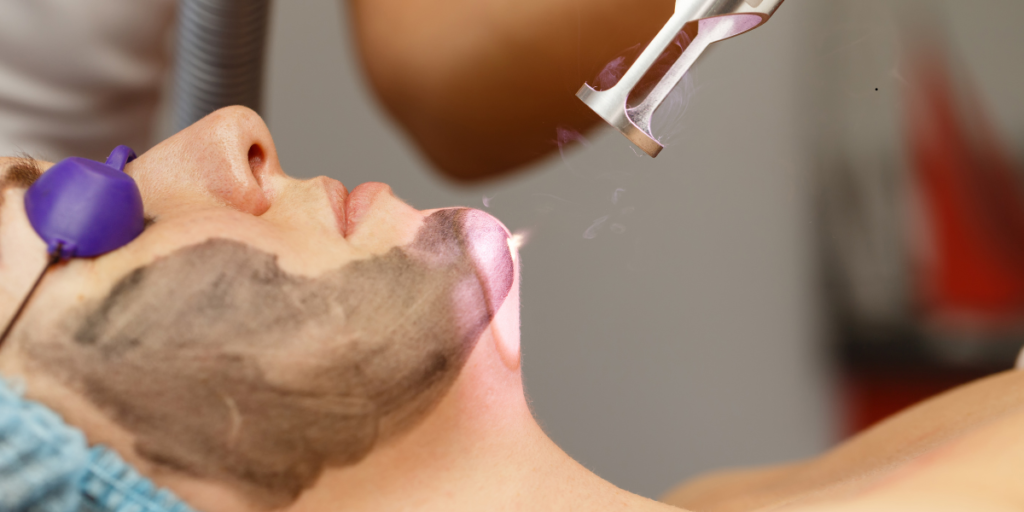
CO2 laser resurfacing remains one of the most transformative treatments available for skin texture, tone, and visible aging. It is also one of the treatments patients feel most uncertain about when it comes to recovery. That uncertainty is completely understandable, and it is the reason we created this guide. If you are preparing for a full ablative session with the Helix CO2 Laser or a lighter CoolPeel treatment, knowing exactly what your skin will look like, how it will feel, and what to do at each stage makes the experience far more comfortable and far less stressful. This is your complete, clinically informed recovery timeline from the moment you leave The Formula Medspa through the weeks and months that follow. Why CO2 laser recovery follows a predictable biological pattern CO2 laser resurfacing works by delivering precise columns of carbon dioxide energy into the skin. This controlled thermal injury removes damaged outer tissue and triggers a deep regenerative response beneath the surface. Collagen fibers contract, fibroblasts activate, and new tissue begins forming almost immediately. The intensity of that process depends on the type of treatment you receive. A CoolPeel targets only the superficial epidermis with short, controlled pulses and produces minimal thermal spread. A deeper fractional ablative treatment with the Helix CO2 system penetrates further into the dermis, creating a more significant healing response and more dramatic long-term results. Regardless of treatment depth, your skin moves through the same biological phases: inflammation, proliferation, and remodeling. The timeline below reflects both lighter and more intensive treatments, with notes on where the experiences diverge. BEFORE YOU BEGIN Your recovery experience is shaped significantly by pre-treatment preparation. Patients who follow their prescribed skincare protocol in the weeks before treatment, including consistent sunscreen use and avoiding retinoids as directed, tend to heal faster and more evenly. If you have questions about preparation, your provider at The Formula will walk you through every detail during your consultation. Your complete day-by-day CO2 laser recovery timeline THE FIRST 24 HOURS 01 DAY OF TREATMENT Immediately after your session, the treated skin will appear red, feel warm, and may have a tight, sunburn-like quality. Some patients describe a mild stinging sensation during the first few hours, particularly with deeper treatments. CoolPeel patients typically feel only light warmth and mild pinkness that resembles a flush rather than a burn. Your provider will apply a healing ointment and give you detailed aftercare instructions before you leave. This is the most important time to begin your post-treatment regimen, which centers on keeping the skin consistently moisturized, protected from the air, and completely free of any active products. Swelling can begin within hours, particularly around the eyes if the periorbital area was treated. This is a normal part of the inflammatory response. Sleeping with your head elevated on two pillows helps reduce fluid accumulation overnight. DAYS TWO AND THREE 02 PEAK SWELLING AND INITIAL WEEPING Swelling typically peaks during day two. The skin may feel puffy, tight, and look significantly more red than the day before. For patients who received deeper treatment, a clear or slightly yellowish fluid may appear on the skin’s surface. This is lymphatic drainage carrying growth factors and immune cells to the treated area, and it is a sign that healing is progressing exactly as it should. Gently cleanse the face with lukewarm water and a mild, fragrance-free cleanser as directed. Pat dry with a clean, soft cloth. Reapply your recommended ointment or healing balm immediately. Do not allow the skin to dry out at any point. Moisture is the single most important factor in comfortable, scar-free healing during this stage. 03 SWELLING BEGINS TO SUBSIDE Swelling starts to decrease, though it may still be noticeable. The skin often feels tighter and may begin forming a thin, dark crust or bronzed appearance. This micro-crusting is the body’s natural wound healing mechanism and should never be picked, rubbed, or manually exfoliated. Disrupting these layers can cause scarring, pigmentation changes, or delayed healing. CoolPeel patients will notice significantly less intensity at this point. Most experience only mild dryness and subtle flaking rather than the crusting associated with deeper treatments. DAYS FOUR THROUGH SIX 04-06 ACTIVE PEELING AND EARLY NEW SKIN This is the phase where patience matters most. The outer treated layer begins to separate and peel away, revealing fresh, pink skin beneath. The peeling can look dramatic, especially across the cheeks, forehead, and around the mouth, but what lies underneath is new, healthy tissue that is actively remodeling. Allow peeling to happen naturally. You may gently cleanse and reapply ointment, but do not pull at loose skin. The new tissue underneath is extremely delicate, and premature exposure can lead to prolonged redness or discoloration. Many patients feel frustrated during this window because the skin looks worse before it looks better. That is completely expected. The visible peeling is the old, damaged tissue leaving, and it is a sign that the treatment is working at a deep structural level. A NOTE ON COOLPEEL RECOVERY CoolPeel patients often complete the visible peeling phase by day three or four, with most returning to normal activities and light makeup within 48 to 72 hours. If you chose CoolPeel specifically because of its reduced recovery profile, you can read more about how it compares to traditional resurfacing in our CO2 Laser and CoolPeel overview. DAYS SEVEN THROUGH TEN 07-10 PEELING RESOLVES, PINKNESS REMAINS By the end of the first week, most of the visible peeling has completed. The new skin will be pink and smooth, noticeably different in texture from before treatment. Pores appear smaller, fine lines are softened, and the skin has a tighter, firmer quality even at this early stage. The pink or rosy tone is caused by increased blood flow to the healing tissue. This is healthy and expected. It will gradually fade over the following weeks and can be easily concealed with mineral makeup once your provider gives the approval to begin
Traditional CO2 Laser vs. CoolPeel: Which Resurfacing Treatment Is Right for You?
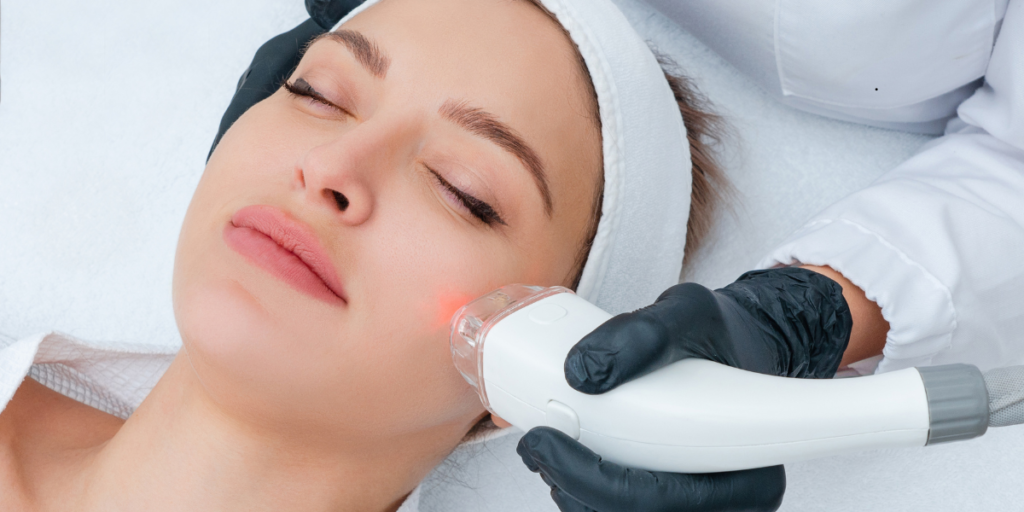
CoolPeel is a gentle, superficial CO2 laser treatment designed to enhance skin texture and provide a glowing complexion with minimal downtime and discomfort. With only 1-3 days of recovery, it’s perfect for maintaining your skin’s radiance and addressing mild texture concerns. Traditional CO2 lasers offer more intense, ablative rejuvenation for deeper wrinkles and scars, requiring a longer recovery time of 7-14 days. Key Comparisons: Downtime: CoolPeel offers 1–3 days of mild redness, while traditional CO2 involves 1–2 weeks of peeling and healing. Intensity & Results: Traditional CO2 delivers more dramatic and lasting results in one session. CoolPeel may require 2–3 sessions for optimal results. Target Concerns: CoolPeel is ideal for fine lines, sun damage, and enlarged pores, while traditional CO2 is more effective for deep wrinkles, severe scars, and sagging skin. Comfort: CoolPeel generally requires only topical numbing, while traditional CO2 may need more intensive pain management. Safety: CoolPeel is safer for a wider range of skin tones (Fitzpatrick I–IV) compared to traditional CO2. This blog will explore the differences between CoolPeel and traditional CO2 lasers, helping you decide which treatment is best suited for your skin concerns and lifestyle. What is CO2 Laser Technology? Both Traditional CO2 Laser and CoolPeel use carbon dioxide as the laser energy source. The laser energy is directed at the skin’s deeper layers to stimulate collagen production while removing damaged tissue from the outer layers. This dual action results in the rejuvenation of the skin, leading to improved texture and a more youthful appearance. Traditional CO2 Laser Resurfacing The Traditional CO2 Laser has long been a reliable solution for treating various skin conditions such as deep wrinkles, acne scars, sun damage, and age spots. It is an ablative laser treatment, meaning it works by removing the outer layers of skin (epidermis) while simultaneously applying heat to the deeper layers (dermis). The heat stimulates collagen production, which is responsible for skin firmness, strength, and elasticity. As the skin heals, new skin cells form, leading to smoother and more youthful skin. This process is highly effective, but it does require longer recovery times. Traditional CO2 laser resurfacing is ideal for patients with more significant skin damage and those seeking more dramatic results. CoolPeel: A More Precise CO2 Laser Option CoolPeel is a more recent innovation in CO2 laser technology. It uses the same CO2 energy, but with a more precise delivery method. CoolPeel delivers the laser energy in short, controlled pulses, targeting the outer layers of the skin without over-heating the deeper tissues. This allows the treatment to be gentler while still producing noticeable improvements. CoolPeel offers many of the same benefits as Traditional CO2 Laser, but with minimal downtime and a lower risk of complications. Because the treatment is less intense, it is particularly suitable for patients with milder skin concerns, or those who are seeking a more subtle improvement without the extended recovery time associated with Traditional CO2 Laser. How Do Traditional CO2 and CoolPeel Work? Traditional CO2 Laser Process During a Traditional CO2 Laser treatment, the procedure begins with the application of a local anesthetic or sedation. This helps to minimize any discomfort that may arise during the treatment, especially because the laser energy is applied deeply to the skin. Once the treatment area is numbed, the laser is applied to the skin, removing the outer layer of skin cells while heating the underlying dermis. This heat stimulates the production of collagen and elastin, which improves the skin’s strength and elasticity. Patients who undergo Traditional CO2 Laser resurfacing can expect a recovery period of 1 to 3 weeks. This includes redness, swelling, and peeling as the skin regenerates. The results can be dramatic, and many patients see significant improvements in the appearance of wrinkles, scars, and sun damage. Full results typically appear over several months as the skin continues to heal. CoolPeel Process CoolPeel, on the other hand, uses the same CO2 technology but with a more gentle application. Rather than applying a continuous beam of energy, CoolPeel delivers short bursts of laser energy in a controlled manner. These short pulses target only the outermost layers of the skin, leaving the deeper layers untouched. This method reduces the overall heat buildup and allows the skin to heal faster with minimal downtime. The treatment is effective for improving skin texture, reducing fine lines, and treating sun damage, but without the extensive recovery time associated with Traditional CO2 Laser resurfacing. CoolPeel is ideal for patients who want noticeable improvements but are not seeking the intensive results that the traditional method offers. The procedure is quick, with little to no recovery time. Most patients experience 1-2 days of redness, and some may see mild swelling for a short period after treatment. Comparing Results: Traditional CO2 vs. CoolPeel Traditional CO2 Laser Results One of the main benefits of the Traditional CO2 Laser is that it delivers long-lasting results. Because it is an ablative treatment, it effectively removes damaged skin and stimulates the growth of new, healthier skin cells. As a result, patients typically see: Significant tightening of the skin Reduction in the appearance of deep wrinkles Improvement in the tone and texture of the skin Fading of age spots and sun damage Visible reduction in scars and imperfections The results are generally quite dramatic, making this treatment suitable for patients with more significant skin issues who are looking for noticeable changes. However, this also comes with the downside of longer recovery times, as the skin needs time to regenerate and heal. Expect a recovery period of 2 to 3 weeks for full healing. CoolPeel Results CoolPeel, while also using CO2 laser technology, delivers more subtle improvements. Patients who undergo CoolPeel will experience: Slight improvement in skin texture Reduction in fine lines and wrinkles Evening out of skin tone, particularly with sun damage Mild improvements in scars and acne marks CoolPeel offers gradual improvements over time, with results continuing to improve in the weeks following the treatment. Most patients begin to see noticeable results after 1 to
When Will I See Ultherapy Results?
A Month by Month Guide Ultherapy works very differently from injectables or surgical procedures. Instead of creating instant visible change, it activates your body’s own regenerative ability to rebuild collagen over time. Because of this, results unfold gradually. Skin tightens slowly. Structure improves naturally. The changes feel authentic rather than abrupt. Understanding the timeline helps set realistic expectations and allows you to appreciate the process as it happens. Explore Ultherapy in Rye, NY. Why Ultherapy Results Take Time Ultherapy is designed to stimulate collagen production in the deeper layers of the skin, including the foundational support structures responsible for lift and firmness. Ultherapy uses focused ultrasound energy to trigger a controlled healing response. Your body responds by producing new collagen and reorganizing existing fibers. This biological process follows a natural timeline and cannot be rushed without compromising safety or results. A Brief Look at the Anatomy Behind Ultherapy To understand the results timeline, it helps to understand how the skin is structured. The skin consists of several layers. The outer layer protects and renews. The middle layer contains collagen and elastin. Beneath that lies the deeper structural layer that provides support and shape to the face and neck. Ultherapy delivers ultrasound energy precisely to these deeper support layers without damaging the surface of the skin. This is the same depth addressed during surgical lifting procedures, but Ultherapy reaches it non invasively. When these deep tissues are stimulated, the body initiates collagen regeneration. This process happens in stages and explains why results appear gradually instead of immediately. Your Ultherapy Results Timeline Every patient is unique, but the biological response to Ultherapy follows a predictable pattern. Below is a general guide to what most patients experience. Days 1 Through 7 After Treatment What you may notice Mild redness or warmth• Slight swelling or tenderness• A feeling of tightness in treated areas These effects are temporary and usually resolve within a few days. Many patients return to normal activities immediately. What is happening beneath the skin The ultrasound energy has created a controlled stimulus in the tissue. Your body is beginning the early inflammatory phase of healing. This stage is necessary to signal collagen production. Weeks 2 Through 4 What you may notice Subtle firmness• Slight improvement in skin texture• A sense that the skin feels more supported Some patients notice small changes at this stage, while others do not see much difference yet. Both responses are completely normal. What is happening beneath the skin Fibroblasts are becoming more active. Early collagen fibers are forming, but they are still immature and not yet providing structural lift. This is a foundational stage. Patience is important here. Month 2 What you may notice Increased firmness• Early lifting in areas such as the jawline or under the chin• Improved skin tone and resilience At this point, many patients begin to feel more confident that something meaningful is happening. What is happening beneath the skin Collagen production increases, and the newly formed fibers begin to organize. The skin starts to gain strength and elasticity from within. Month 3 What you may notice Visible tightening• More defined contours• Smoother skin texture• A refreshed appearance that still looks natural This is often the stage when others may start to notice changes, even if they cannot pinpoint exactly what looks different. What is happening beneath the skin Collagen fibers are maturing and integrating into the existing tissue structure. The deep support layers are becoming firmer, which translates into visible lift. Months 4 Through 6 What you may notice Peak lifting and tightening• Improved definition along the jawline and neck• Skin that feels stronger and more resilient This period is typically when Ultherapy results reach their fullest expression. What is happening beneath the skin Collagen remodeling continues, and the fibers become thicker and more organized. The tissue gains long term structural support. For patients treating the neck specifically, you can read more about Ultherapy for the Neck here. Beyond 6 Months Although the most visible results usually appear by six months, collagen maturation can continue for up to a year. Many patients report that their skin continues to look better over time. Ultherapy also helps slow future laxity by strengthening the underlying support structure, which can delay the progression of aging changes. How Long Ultherapy Results Last Most patients enjoy results for twelve to eighteen months or longer. Longevity depends on several factors: Age and baseline collagen levels• Genetics• Sun exposure• Lifestyle habits• Skincare routine Maintenance treatments can help extend results and support long term skin health. How to Support and Maintain Your Results Ultherapy works from the inside out, but your daily habits still matter. Protect your skin from the sun Ultraviolet exposure breaks down collagen. Daily sunscreen is essential. Support skin health nutritionally Adequate protein, antioxidants, and hydration help support collagen production. Follow a consistent skincare routine Medical grade skincare can help preserve results and improve surface texture. Discuss combination treatments Neuromodulators or other energy based treatments may enhance overall balance. Frequently Asked Questions When will I see final Ultherapy results? Most patients see their best results between three and six months after treatment. Is it normal to see changes at different speeds in different areas? Yes. Areas with thinner skin or less laxity may show improvement sooner. Does Ultherapy look natural? Yes. Because it stimulates your own collagen, results develop gradually and blend seamlessly with your natural features. Can Ultherapy replace surgery? Ultherapy is ideal for mild to moderate laxity. Severe sagging may require surgical intervention, but Ultherapy can delay that need for many patients. Is there downtime? Downtime is minimal. Most patients return to daily activities the same day. A Natural Timeline for Natural Results Ultherapy strengthens the skin from its foundation and allows your body to restore firmness over time. By understanding the month by month process, you can approach treatment with confidence and realistic expectations. The result is a refreshed, supported appearance that still looks like you. If you are considering Ultherapy or want
Ultherapy for the Neck: Non Surgical Neck Lift and Tightening Explained
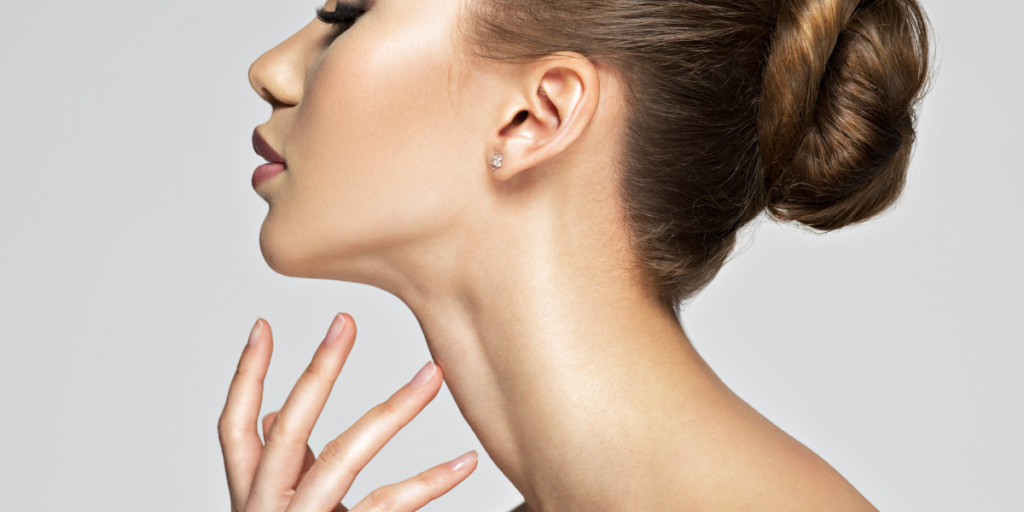
The neck often shows signs of aging, such as softer skin, less defined jawlines, and slight looseness before the face. It’s delicate, highly mobile, and loses collagen quickly, truthfully reflecting time, sun, stress, posture, and genetics. At Nicole Frontera Beauty, we offer Ultherapy as the cornerstone for non-surgical neck rejuvenation. It’s the gold standard for lifting and tightening, using focused ultrasound energy to naturally stimulate deep collagen production without incisions or downtime. This approach provides continuous firming and lifting, complementing treatments like facial balancing, preventative Botox, and PRF-based bio filler rejuvenation by strengthening the foundational skin support. Understanding Neck Aging and Why It Happens So Quickly The neck ages differently from the face, and often faster. This is due to several biological and functional factors that work together over time. The Skin Is Naturally Thinner Neck skin has fewer oil glands and less natural fat padding. This means less natural hydration and fewer resources to keep the tissue firm. The Neck Is in Constant Motion Looking down at phones, sleeping in curled positions, and general head movement create repetitive folding. Over time, those folds become lines. Collagen and Elastin Decline Around the late twenties and early thirties, collagen production begins to drop. By the forties, most people produce only half as much as they did in their youth. Gravity Has a Strong Effect Unlike the cheeks or temples, the neck has very little bone structure beneath it. Without supportive architecture, sagging becomes more noticeable. Sun Exposure UV rays weaken collagen and create crepiness, uneven tone, and texture changes. These shifts accumulate silently for years, and then one day the skin begins to appear looser, especially when turning sideways or looking down at a camera. Most clients tell us the same thing during consultations: “My face still looks good, but my neck is giving everything away.” This is exactly where Ultherapy shines. What Is Ultherapy Ultherapy is an FDA cleared, non surgical lifting treatment that uses focused ultrasound energy to stimulate collagen production deep within the tissue layers. It improves firmness, tightness, and structure in the neck, jawline, under chin area, and face. Unlike superficial lasers or topical treatments, Ultherapy delivers energy at the same depth plastic surgeons reach during a surgical facelift, but without incisions or recovery time. This depth is called the SMAS layer, or the superficial muscular aponeurotic system. It is the architectural layer responsible for lift. Ultherapy is the only non-invasive technology approved to treat this deep structural layer, which is why the results look natural rather than forced. How Ultherapy Works Beneath the Surface To understand Ultherapy, it helps to picture the skin as three main layers: The Epidermis The top layer you can feel and see. Most skincare products target this surface level. The Dermis The middle layer that contains collagen and elastin. The Deep Structural Layer This is where the supportive network lives. It is the layer addressed during a surgical facelift. Ultherapy uses micro focused ultrasound to penetrate through the surface and heat the deeper tissues without harming the skin above. This thermal energy triggers a controlled wound healing response that activates fibroblasts, the cells responsible for generating new collagen. The process unfolds in three phases: Phase One: Initial Tightening Heat causes immediate contraction of existing collagen fibers. Phase Two: Regeneration Over twelve to sixteen weeks, new collagen develops and strengthens the tissue. Phase Three: Lifting and Firming As collagen matures, the neck begins to look firmer, smoother, and more defined. This slow, natural progression is why Ultherapy pairs beautifully with injectable approaches. For more details on the treatment experience, you may explore Ultherapy in Rye NY. Why the Neck Responds So Well to Ultherapy The neck’s unique structure makes it an ideal candidate for ultrasound based tightening. Strong Response to Energy Based Collagen Stimulation Neck tissue responds extremely well to thermal collagen remodeling. Because the skin is thin, even moderate tightening becomes very visible. Deep Structural Lift Ultherapy reaches depths no other non surgical neck treatment can access. No Volume Needed Unlike the face, where volume loss plays a major role in aging, the neck primarily suffers from laxity. Ultherapy directly targets laxity without creating artificial fullness. Conditions Ultherapy Treats in the Neck Ultherapy is extremely effective for the following concerns: Crepey neck skin Horizontal necklace lines Sagging or loose skin under the chin Blurring of the jawline Heaviness in the lower face that softens definition Early jowling Loss of tightness from weight fluctuation Aging related laxity Patients often share that even small improvements in these areas dramatically impact confidence in photos, video calls, and daily interactions. Who Is an Ideal Candidate for Ultherapy Ultherapy works well for a wide range of patients because it is not dependent on skin tone or pigment. You may be an excellent candidate if you: Notice mild to moderate neck laxity Want tightening and lift without surgery Want to delay or avoid a surgical neck lift Prefer gradual, natural looking improvements Have good baseline skin quality but want more firmness Desire a sharper jawline without fillers Want a treatment with no downtime Many clients in their late twenties or early thirties use Ultherapy as prevention, much like early neurotoxin sessions that delay deeper lines. This aligns with the same philosophy behind preventative Botox : subtle early care slows down future aging patterns drastically. Patients in their forties, fifties, and beyond often use Ultherapy to maintain structure or refresh an aging neck without the recovery associated with surgery. The Ultherapy Experience: What to Expect Every treatment at Nicole Frontera Beauty begins with a detailed consultation. We evaluate your facial and neck anatomy, understand your goals, and discuss how Ultherapy fits into your long term rejuvenation plan. Step One: Mapping and Customization Using ultrasound imaging, your provider visualizes layers of your tissue to identify exactly where to deliver energy. This ensures precision and safety. Step Two: Delivery of Focused Ultrasound A handheld device delivers energy to predetermined depths. You may feel warmth or tingling, indicating collagen activation.
Is Facial Balancing Permanent? How Long It Lasts, What Affects Results, and How To Maintain a Naturally Harmonious Look
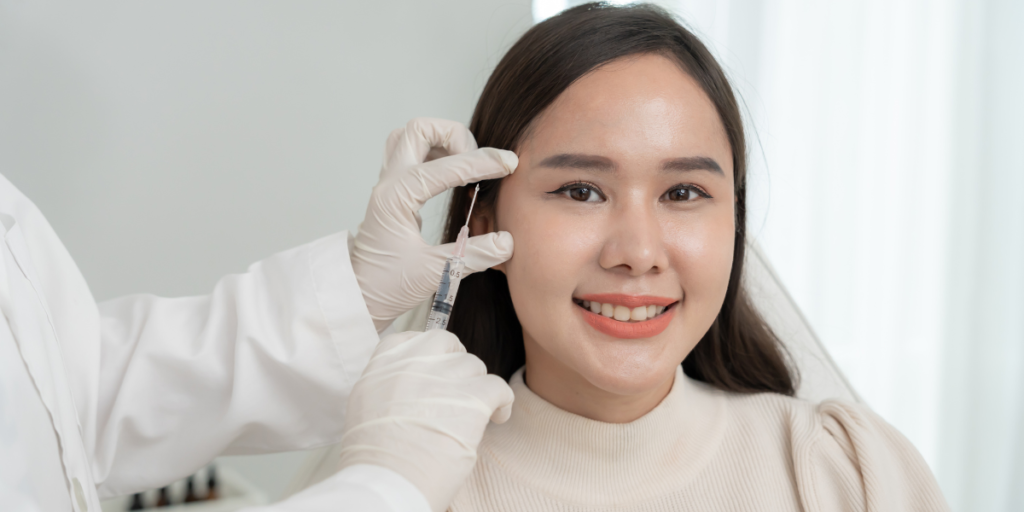
Facial balancing has become one of the most popular aesthetic treatments among patients who want a natural and refreshed appearance without surgery. Instead of altering your face dramatically, this approach improves overall proportions using strategic dermal fillers to enhance harmony, symmetry, and structure. It is subtle, elegant, and deeply personal, designed to enhance the features you already have. As this treatment becomes more popular, one of the most common questions patients ask is: “Is facial balancing permanent, and how long will my results last?” The short answer is that facial balancing is not permanent, yet it is impressively long lasting when performed by skilled injectors who understand anatomy, proportion, and aesthetic artistry. Our treatments and techniques can help you achieve naturally balanced results that age gracefully and beautifully. What Facial Balancing Really Is and Why It Works So Effectively Many people are familiar with individual filler treatments like lip fillers or cheek fillers, but facial balancing is a completely different thing. Rather than treating one feature in isolation, injectors analyze your entire face from multiple angles, assessing proportions, ratios, and harmony. Facial balancing may include a combination of filler injections in: Cheeks Chin Jawline Lips Under–eyes Temples Nasolabial folds Marionette lines This holistic approach creates results that look natural because the entire face becomes more structurally aligned. You still look like yourself, just more refreshed, symmetrical, and proportionate. Since facial balancing uses fillers as its primary tool, understanding filler longevity is essential for understanding how long your results will last. The Longevity of Facial Balancing: Why Results Are Long Lasting but Not Permanent Most facial balancing treatments use hyaluronic acid dermal fillers, which are eventually metabolized by the body. Hyaluronic acid is naturally found in the skin, so the body recognizes it and gradually breaks it down over time. This is why facial balancing is not permanent. However, the results are impressively long lasting because structural facial fillers tend to remain in the tissue for an extended period, especially when placed correctly and deeply. On average, patients enjoy facial balancing results for: 12 to 24 months for most areas of the face 18 to 36 months for deeper structural areas like the chin and jawline 6 to 12 months in more mobile areas (like lips) Factors such as product type, depth of injection, and your unique metabolism all influence longevity. How Each Treatment Area Ages Over Time If you are considering facial balancing, understanding the expected duration for each treated area can help guide your long-term aesthetic plan. Each facial region metabolizes filler at a different pace. Cheeks: 12 to 24 months Cheeks tend to hold filler very well because this area has: Less movement Stronger bone support Fibrous tissue that stabilizes filler Cheek fillers often form the foundation of a balanced facial structure and carry some of the longest-lasting results. Chin: 18 to 36 months Chin augmentation with filler has excellent longevity because the injections are placed deeply, often directly above the bone. This creates stable, structural enhancement. Patients often notice that chin filler lasts longer than filler in any other part of the face. Jawline: 12 to 24 months A contoured jawline is one of the signature elements of facial balancing. Because the jawline has strong structural support, filler in this area tends to last longer compared to softer tissue areas. Lips: 6 to 12 months Lips metabolize filler more quickly because they move constantly. For patients who include lip balancing as part of their full face harmonization, touch-ups are typically needed more frequently. Under-eyes: 12 to 18 months Under-eye filler lasts a long time when properly placed. This area has minimal movement and thinner skin, which helps maintain longevity. Temples: 12 to 24 months Temple hollowing is a common sign of aging. Restoring volume here can dramatically improve balance across the mid and upper face. Temple filler lasts well thanks to deeper injections. Also Read: Facial Balancing vs Traditional Fillers The Type of Filler Used Plays a Major Role in How Long Facial Balancing Lasts The Formula Medspa uses advanced dermal fillers selected for their: Longevity Structural integrity Safety Natural appearance Ability to maintain shape Suitability for each facial region Each filler is formulated differently and designed for specific purposes. Firm, Structural Fillers Used in the chin, jawline, and cheeks. These fillers have the longest duration and maintain their projection extremely well. Softer, Flexible Fillers Used in lips, under-eyes, and fine lines. These provide natural movement but do not last as long. Your injector will determine the ideal filler for each facial region based on your anatomy and goals, ensuring the most natural and long-lasting results. Explore Fillers in Rye NY. Why Facial Balancing Lasts Longer Than Individual Filler Treatments Done in Isolation One of the major benefits of facial balancing is improved longevity across all treated areas. When the face is proportionally aligned: Filler migration is less likely Filler is distributed more strategically Each area supports and complements other treated areas Movement patterns become more balanced Volume is less likely to be concentrated in one location Facial balancing is a system rather than a single treatment. Because of this holistic method, the results tend to age more naturally and more slowly compared to isolated enhancements. Understanding the Factors That Influence Longevity Every individual metabolizes filler differently, but several factors play significant roles in how long your facial balancing results will remain visible. Your Unique Metabolism Some people naturally break down hyaluronic acid more quickly than others. Patients with faster metabolisms, higher levels of physical activity, or specific lifestyles may notice that their filler does not last quite as long. This does not mean you cannot enjoy long-lasting results, only that your injector may adjust the treatment plan to account for your metabolism. The Type of Filler Used Denser fillers last longer. Softer fillers, while extremely natural, will metabolize faster. A skilled injector chooses fillers strategically to ensure each area has optimal longevity. The Depth of Injection Fillers placed deeper, especially near bone, last significantly longer
Facial Balancing vs. Traditional Filler Approach: Why Proportion Matters More Than Volume
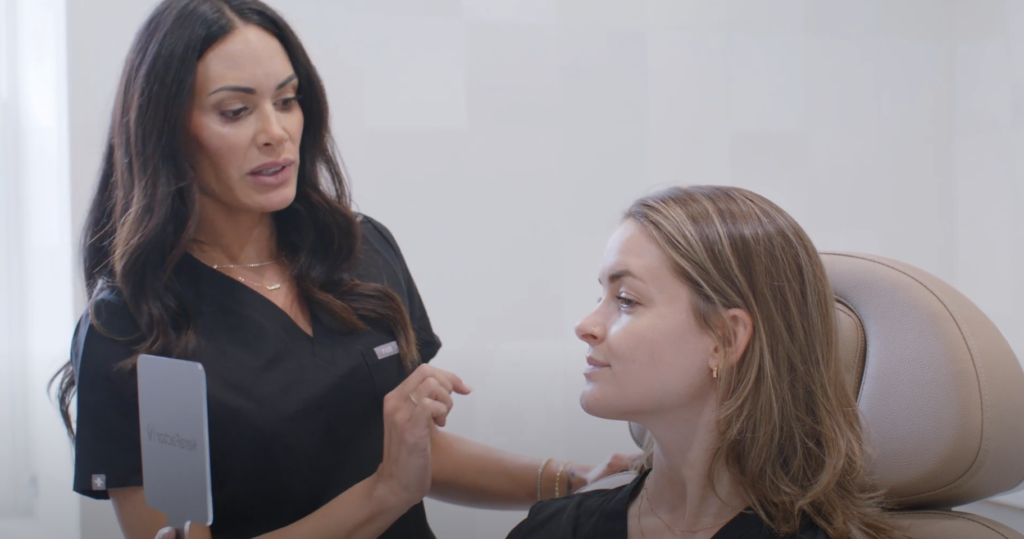
When people think about injectable fillers, the first thing that usually comes to mind is volume. Fuller cheeks. Plumper lips. A stronger jawline. For years, the traditional approach to fillers focused on adding volume to one or two isolated areas of the face. While that can provide temporary improvement, it often doesn’t address the bigger picture of how the entire face works together. That is where facial balancing comes in. Instead of chasing fullness in one feature, facial balancing uses dermal fillers in a thoughtful, customized way to create proportion, harmony, and natural beauty. It is not about looking like someone else or about creating exaggerated results. It is about making sure your features work together in balance so you still look like you, only refreshed. In this article, we will explore the differences between facial balancing and traditional filler techniques, why proportion matters more than simple volume, and how this approach is transforming aesthetics. What Is Facial Balancing Facial balancing is a modern approach to injectables that looks at the face as a whole. Instead of only enhancing one area such as the lips or cheeks, it takes into account how each feature relates to the others. Facial Balancing with Fillers: Chin filler can harmonize a prominent nose. Temple filler can enhance the appearance of the eyes by softening hollows. Jawline enhancement can create better balance with fuller cheeks. The Traditional Filler Approach Traditional filler techniques often focus on one problem area at a time. Here are some examples: Thin lips: Filler can be used to add volume. Flat cheeks: Filler can provide a lifting effect. Deep lines: Filler can help smooth their appearance. While this can work in the short term, it sometimes results in features that look disconnected. For instance, fuller lips might look unnatural if the chin is recessed. Plump cheeks may stand out if the jawline has not been addressed. The traditional filler mindset is about adding volume here and there. The facial balancing mindset is about creating harmony across the entire face. Why Proportion Matters More Than Volume The Golden Ratio of Beauty Human beings are naturally drawn to proportion. Throughout history, artists and scientists have studied what makes faces appear beautiful and balanced. The golden ratio, a principle often seen in art and nature, plays a role in how beauty is perceived. When features align harmoniously, the face looks refreshed and attractive even without dramatic changes. Natural Results Over Trends Adding volume alone can sometimes lead to an overfilled or artificial appearance. Proportion ensures that results look subtle and natural, not obvious or trendy. Aging Gracefully As we age, it is not just one area of the face that changes. We lose fat, bone density, and collagen in multiple places. If we only restore volume in one feature, the imbalance can actually make aging more noticeable. By treating the face as a whole, we restore youthful harmony instead of just fullness. Common Areas for Facial Balancing Temples: Restore fullness, preventing a hollow appearance around the eyes. Cheeks: Provide lift and projection, balancing the midface. Chin: Strengthens the profile, creating balance with the nose and lips. Jawline: Defines and frames the face for a more structured look. Lips: Enhance their proportion in relation to the chin and nose, rather than just increasing their size. Under Eyes: Soften hollows for a more rested appearance. Each treatment is tailored to the patient. Sometimes just one or two areas can make a dramatic improvement in overall balance. 🔗 Learn more about our dermal filler treatments. Comparing the Two Approaches Feature Traditional Fillers Facial Balancing Goal Add volume to a specific area Create proportion and harmony across the whole face Focus One feature at a time The entire face Results Can look exaggerated or disconnected Natural, subtle, and harmonious Longevity May highlight other imbalances as you age Ages gracefully with you Customization Limited to the problem area Fully customized holistic plan Who Is a Candidate for Facial Balancing Facial balancing offers benefits to a diverse range of individuals: Younger patients: Those seeking subtle enhancements to their features for a natural, un-“done” look. Patients with facial asymmetry: Individuals with uneven features, such as cheeks or jawlines. Individuals experiencing age-related changes: People noticing volume loss or skin laxity. Anyone desiring natural results: Those who wish to highlight their inherent beauty rather than alter it. A consultation is essential. Your provider will examine your unique facial structure, listen to your goals, and design a plan that prioritizes balance. The Process What to Expect Step One Consultation Your journey begins with a careful evaluation of your face as a whole. We will discuss your medical history, aesthetic goals, and review options together. Step Two Treatment Plan Your provider maps out exactly where small amounts of filler will make the greatest difference. Step Three Injection Day With numbing cream and precise technique, fillers are placed strategically. The treatment is usually quick and often under thirty minutes. Step Four Aftercare Mild swelling or bruising can occur but typically fades quickly. Most patients return to their regular activities the same day. Benefits of Facial Balancing Natural looking results that refresh without looking overfilled Boosted confidence with balanced features No downtime so you can return to life immediately Customizable to every unique face Reversible if adjustments are needed Risks and Considerations Like all aesthetic treatments, facial balancing with dermal fillers has potential side effects. Swelling Bruising Tenderness Rare risks such as vascular occlusion The key to minimizing risks is choosing a skilled, experienced injector. Always look for licensed professionals in a medical setting. The Emotional Side of Balance One of the most powerful aspects of facial balancing is the confidence boost. Many patients share that they feel more like themselves afterward not because they look drastically different, but because their features finally feel harmonious. In today’s world of filters and social media, it is easy to focus on flaws. Facial balancing shifts the focus back to the beauty of proportion, showing that subtle changes can
Does Botox Stop Underarm Sweating? Here’s What to Expect

When Sweat Becomes More Than a Nuisance Everyone sweats because it is the body’s natural cooling mechanism. For some people, though, sweating becomes more than just an occasional inconvenience. If you have ever avoided wearing a favorite silk blouse, kept spare shirts in your car, or worried about a damp handshake, you know how disruptive it can be. Excessive underarm sweating, also called primary axillary hyperhidrosis, is a condition that affects millions of people. One of the most effective treatments is something you may already associate with smoother skin: Botox. With the best Botox formula in Rye NY, our philosophy blends science, artistry, and personal care. Botox can be used not only for wrinkle prevention but also to restore comfort and confidence for those struggling with sweat. Understanding Hyperhidrosis Beyond the Surface Sweat glands in the underarms are controlled by nerves that release acetylcholine, a chemical messenger that tells the glands when to activate. In hyperhidrosis, these glands are overly active, producing sweat even when the body is not hot or stressed. This is not caused by poor hygiene or anxiety. It is simply a neurological overdrive that cannot be controlled by deodorant alone. Prescription antiperspirants and oral medications exist, but they are often ineffective or come with unpleasant side effects. Botox provides a targeted solution. How Botox Helps Calm Sweat Glands Botox interrupts the signal between nerves and sweat glands. Think of it as turning down the volume on a speaker that has been blasting uncontrollably. Precise delivery: Tiny injections beneath the skin calm the overactive glands in the underarms. Localized effect: Treatment impacts only the underarm area. You still sweat normally on other parts of the body. Long lasting comfort: Relief typically lasts six to nine months, and for some even longer. Clinical studies show Botox can reduce underarm sweat by up to ninety percent. The result is dry clothing, renewed confidence, and freedom from constant worry. Is It Safe to Stop Sweating This Way Yes, it is safe. Botox does not stop your body’s overall ability to regulate temperature. It simply reduces sweating in the treated area while thousands of other sweat glands continue functioning normally. The treatment uses small, localized doses that have been studied for decades. When administered by licensed professionals, Botox is both safe and effective. Who Might Consider Botox for Sweating You might be a good candidate for Botox if you experience excessive underarm sweating that: Causes sweat stains even in cool environments. Leads you to avoid certain fabrics or colors. Requires you to shower multiple times a day to feel fresh. Necessitates carrying extra shirts or wipes for work and social events. Has not responded to prescription-strength deodorants. Botox can also be life changing for teachers, executives, performers, and anyone who relies on comfort and composure in daily interactions. The Consultation at The Formula As with our preventative Botox approach, we focus on personalization and education. Warm conversation about your history, goals, and daily challenges. Professional assessment of how hyperhidrosis affects you. Clear explanation of all options including Botox. Customized plan with mapped injection points so you know exactly what to expect. The Treatment Experience Before the procedure, the underarm area is gently cleansed, and a numbing cream may be applied. The treatment involves a series of tiny injections administered in a grid pattern across the underarm skin using an ultrafine needle. Each side typically takes 10 to 15 minutes to complete. Afterward, you can immediately return to your normal activities, with minor precautions like avoiding saunas or high-intensity workouts for one day. Most describe the sensation as quick pinches, far easier than dealing with constant sweat. When Results Begin and How Long They Last Improvement often begins within the first week and full results appear within two weeks. Many patients recall the first time they wore a gray shirt or shook hands without worry, describing it as a transformative moment. Relief typically lasts six to nine months. Some enjoy benefits for up to a year. Repeat sessions often lead to sweat glands staying calmer for longer, requiring fewer treatments over time. Benefits That Go Beyond Dry Shirts The advantages of Botox for sweating extend well beyond appearance. Wardrobe freedom: Wear light fabrics and colors with confidence. Social ease: Handshakes, hugs, and public speaking become stress free. Lifestyle efficiency: Less time spent on showers, laundry, and wardrobe changes. Emotional relief: Reduced anxiety about sweat allows energy to flow toward work, relationships, and enjoyment. Side Effects and Safety Profile Most side effects are mild and temporary, such as slight soreness or small bruises at injection sites. These resolve quickly. Serious complications are extremely rare, particularly in experienced hands. At The Formula every vial is sourced from FDA authorized distributors, and all treatments are performed under strict sterile conditions. Comparing Botox to Other Sweat Treatments Topical antiperspirants: Convenient but often irritating and ineffective for hyperhidrosis. Oral medications: May help but often cause dry mouth, vision changes, or other systemic effects. MiraDry: A permanent option that uses energy to destroy sweat glands, but higher cost and downtime are involved. Surgery: Reserved for severe cases since it can cause compensatory sweating elsewhere. Botox strikes the balance of effective, minimally invasive, and reversible treatment. Lifestyle Tips That Support Results Healthy habits enhance the effectiveness of Botox: Choose breathable fabrics like cotton or linen. Drink water consistently to regulate cooling. Practice stress management such as meditation or yoga. Keep a regular sleep routine to support nervous system balance. Use fragrance free cleansers to avoid irritation. Common Questions Answered Will I sweat more elsewhere? No. Your body simply sweats less in the treated area. Other sweat glands work normally. Does insurance cover Botox for sweating? In some cases it does. Hyperhidrosis may be recognized as a medical condition, and we help guide you through the process. How many units will I need? Typically fifty to one hundred units in total, customized to your unique needs. Is it permanent? No, the effect wears off gradually as nerve signals reconnect.
When to Start Preventative Botox: A Guide for Smoother Skin in Your 20s and 30s
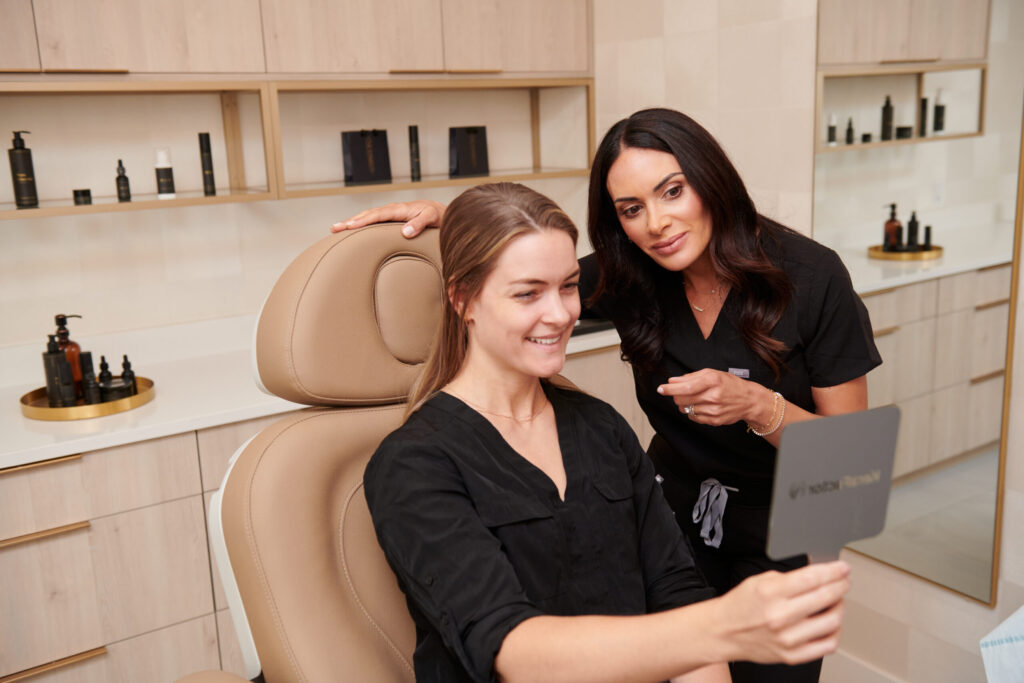
You may have noticed a faint forehead crease after a long day of screen time, or perhaps crow’s-feet appear in photos more often than you would like. Preventative Botox can calm the muscles that create those lines, allowing collagen to stay strong and flexible. Today you will learn how Botox works, why early intervention matters, and how our team tailors each plan to your lifestyle and personality. What is Preventative Botox Preventative Botox is the practice of using tiny, precisely placed amounts of botulinum toxin before deep wrinkles form. Instead of waiting until lines become etched into the skin, we gently relax the muscles that create repetitive folding. This proactive approach helps collagen fibers stay aligned and resilient, much like smoothing a sheet before it wrinkles rather than ironing it afterward. The result is skin that remains naturally smooth while still moving expressively. Why Skin Changes Appear in the 20s Your early 20s feel young, yet biological aging has already begun. Collagen production peaks in the late teens and starts to decline shortly afterward. Elastin, the stretchy protein that lets skin bounce back, also diminishes. Environmental and lifestyle factors accelerate this process. Certain lifestyle factors can contribute to the premature appearance of wrinkles: Sun exposure without protection: Daily UV radiation significantly impacts skin health. Chronic stress: Persistent facial muscle tension can lead to etched lines. Digital eye strain: Frequent squinting due to screen use can deepen lines around the eyes. Smoking: Tobacco constricts blood vessels, depriving skin of oxygen and nutrients. Poor diet: A diet lacking antioxidants and healthy fats can compromise skin elasticity. Disrupted sleep: Irregular sleep patterns interfere with the body’s natural repair processes. These influences build quietly. By the time someone sees a line at rest, micro-folds have existed under the surface for months or even years. The Science of Neurotoxin Formulas Botox, Dysport, Xeomin, Jeuveau, and Daxxify are all purified proteins that temporarily block the release of acetylcholine, a neurotransmitter that tells muscles to contract. When injected in minuscule amounts, these formulas soften specific facial movements without affecting neighboring areas. The goal is refinement, not a frozen mask. Think of it as turning the volume down rather than muting the song. Clinical studies show that consistent, low-dose use can slow wrinkle depth progression dramatically. Receptors at the neuromuscular junction reorganize slowly over time, so treated muscles stay more relaxed even as the product metabolizes. Is It Too Soon to Begin? Indicators to Watch You may wonder if early 20s is premature. Age alone is not the only clue. You might be a good candidate for preventative Botox if you: Notice lines on your face even when your expression is neutral. Find your makeup settling into creases by midday. Have a family history of noticeable forehead or frown lines. Frequently frown or squint when concentrating. Prefer a low-maintenance skincare routine in the future. If any of these apply, a small “Baby Botox” session can preserve your youthful smoothness with no risk of over-treatment. Milestones in Your 20s: Softening Early Lines 21–23: The First Whisper of Change Skin usually rebounds quickly, yet a light furrow may stay between the brows after a stressful exam or work deadline. Two to four units in the glabella can teach muscles to rest. 24–26: High Photo Exposure Social events, professional headshots, and endless selfies reveal subtle crow’s-feet and makeup settling into the forehead. A gentle ten-to-twelve unit sprinkle keeps expression bright and lines invisible under flash photography. 27–29: Lifestyle Stress Peaks Career growth, late-night deadlines, and perhaps weddings or moves can spike cortisol. Forehead support plus a few units near the nasal “bunny lines” maintain a calm, rested look, even on four hours of sleep. Milestones in Your 30s: Preserving Elasticity 30–32: Turning Point for Static Lines Fine lines may now appear in morning light before any expression. A tailored full-face plan balances glabella, forehead, and crow’s-feet for seamless smoothness. 33–35: Early Midface Changes Volume begins to shift, and dynamic lines can exaggerate that change. Botox pairs beautifully with gentle filler or collagen-stimulating treatments to maintain harmonious features. 36–39: Protecting the Neck and Jaw Tech neck from constant device use and masseter strain from clenching start to show. Small neurotoxin doses along platysmal bands and jaw muscles refine the lower face and prevent heaviness. Our Unique Philosophy at The Formula At The Formula every service is built on three core pillars: Precision Only the muscles that truly require modulation are treated. Careful dosing avoids a plastic look. Personal Connection We schedule ample time to learn about your lifestyle, career needs, and preferred level of expression. Progressive Care Plans evolve with you. What serves a twenty-three-year-old student differs from the needs of a thirty-five-year-old executive and parent. Our continuous education keeps protocols state of the art. The Consultation Experience Step by Step Warm welcome and paperwork focused on health history and specific concerns. Discussion of skincare routine, sun habits, stress factors, and budget preferences. Mapping of injection points with a removable skin marker so you see the plan before we begin. Explanation of product choices and unit counts in clear, everyday language. Informed consent, topical numbing if desired, and a relaxation breath moment. Micro-needle delivery in under fifteen minutes. Aftercare instructions &, follow-up appointment scheduled. Key Treatment Areas for Early Prevention Botox can address various areas to smooth and prevent the deepening of lines and wrinkles, maintaining a youthful appearance. Common Treatment Areas: Forehead: Prevents horizontal lines from becoming pronounced furrows. Glabella (Between the Brows): Stops the “elevens” (vertical lines) from setting in, preventing a perpetually stressed look. Crow’s-Feet: Keeps the delicate skin around the eyes smooth, allowing for expressive smiles without radial etching. Bunny Lines: Softens the fine lines that can appear on the bridge of the nose during laughter or animated conversation. Lip Flip: A small amount of Botox along the upper lip border can create the appearance of a subtly fuller smile. Chin Dimpling: Relaxes the mentalis muscle, which is responsible for an “orange-peel” texture on the chin. Masseter